The UK’s new energy reality requires a procurement rethink

Miles Thomas, our Chief Commercial Officer, explores why energy volatility, geopolitical uncertainty and rising pressure on UK businesses mean traditional procurement strategies are no longer enough – and how onsite generation and long-term PPAs can give businesses greater control over their energy costs, resilience and future.
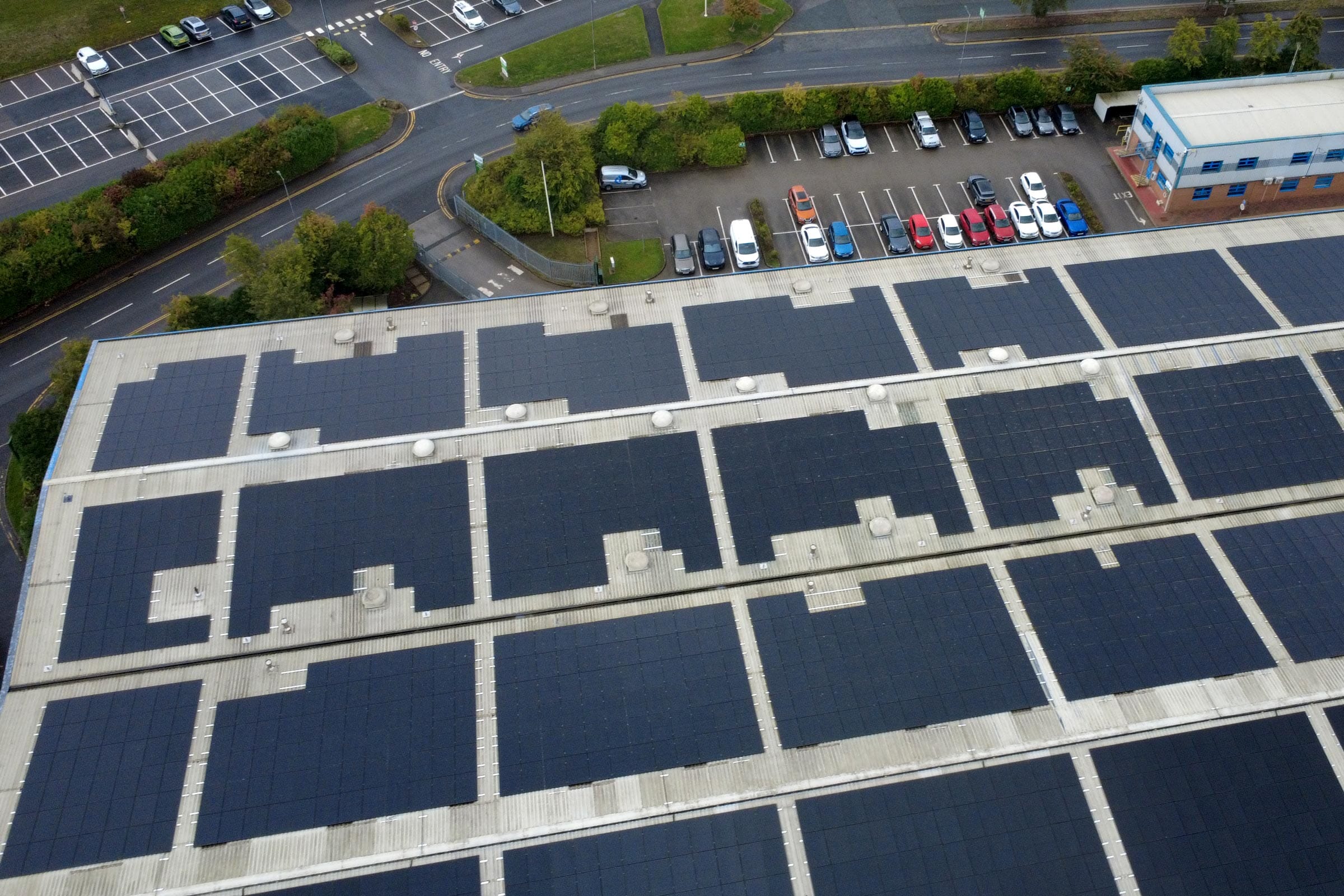
Rooftop with solar panels

For many businesses, energy procurement has traditionally been a relatively straightforward exercise: assess the market, negotiate with suppliers and secure the best available contract for the next year or two.

That approach was built for a more predictable energy system. Today, the environment is very different.

Geopolitical instability, volatile wholesale markets, growing electricity demand and the increasing importance of energy security have fundamentally changed the context in which UK businesses are making energy decisions.

The question is no longer simply: how cheaply can we buy our energy?

Increasingly, it is: how much control can we take over our energy costs, supply and long-term exposure to the market?

That requires a procurement rethink.
Volatility is becoming part of the landscape

The energy crisis demonstrated just how quickly events far beyond a company’s control can translate into higher operating costs.

While the extremes of the crisis may have eased, the underlying risks have not disappeared. Global gas and power markets remain exposed to geopolitical events, supply disruption and changing patterns of demand.

For businesses, particularly energy-intensive organisations and those operating on tight margins, that uncertainty matters.

Waiting for wholesale prices to fall may sometimes pay off. But relying on the market to deliver lower prices is not an energy strategy.

Businesses need to consider how they can reduce the proportion of their energy requirements that is exposed to those external forces in the first place.

From energy procurement to energy strategy

This is where the role of the energy manager is changing.

Procurement remains important, but it is increasingly only one part of the picture. Energy decisions now intersect with resilience, operational performance, sustainability, capital allocation and long-term competitiveness.

Onsite generation can play an important role in that shift.

As I wrote recently in Energy Manager Magazine:

“Onsite generation gives businesses a structural advantage by reducing grid dependency and instilling agency.”

Generating electricity where it is consumed allows businesses to reduce the amount of power they need to purchase from the grid. That means less exposure to wholesale market volatility and network costs, while also supporting carbon reduction.

Crucially, businesses do not necessarily need to fund that infrastructure themselves.

The role of the PPA

Under an onsite Power Purchase Agreement (PPA), AMPYR Distributed Energy funds, owns and operates the energy system, with the customer purchasing the electricity it generates over an agreed long-term period.

There is no upfront capital cost to the customer. Instead of investing in the infrastructure, the business pays for the energy produced.

This can provide savings from day one alongside greater visibility over a significant proportion of future energy costs.

It also changes the nature of the relationship with energy.

Rather than simply purchasing electricity at whatever price the market offers, businesses can secure part of their requirements from infrastructure located on their own site, with a long-term partner responsible for funding, operating and maintaining the asset.

For organisations considering how best to deploy limited capital, that distinction is important. Investment can remain focused on core business priorities while energy infrastructure is funded externally.

Energy infrastructure is becoming a competitive issue

This conversation goes beyond sustainability.

Affordable, reliable energy is fundamental to the competitiveness of UK business. For manufacturers and other energy-intensive organisations in particular, the cost of power can directly influence investment decisions, production economics and the attractiveness of operating in the UK.

221017-01_026-2-RESIZED

Government intervention has a role to play, particularly in addressing the structural factors contributing to high industrial electricity prices. But businesses should also look at the measures available within their own estates.

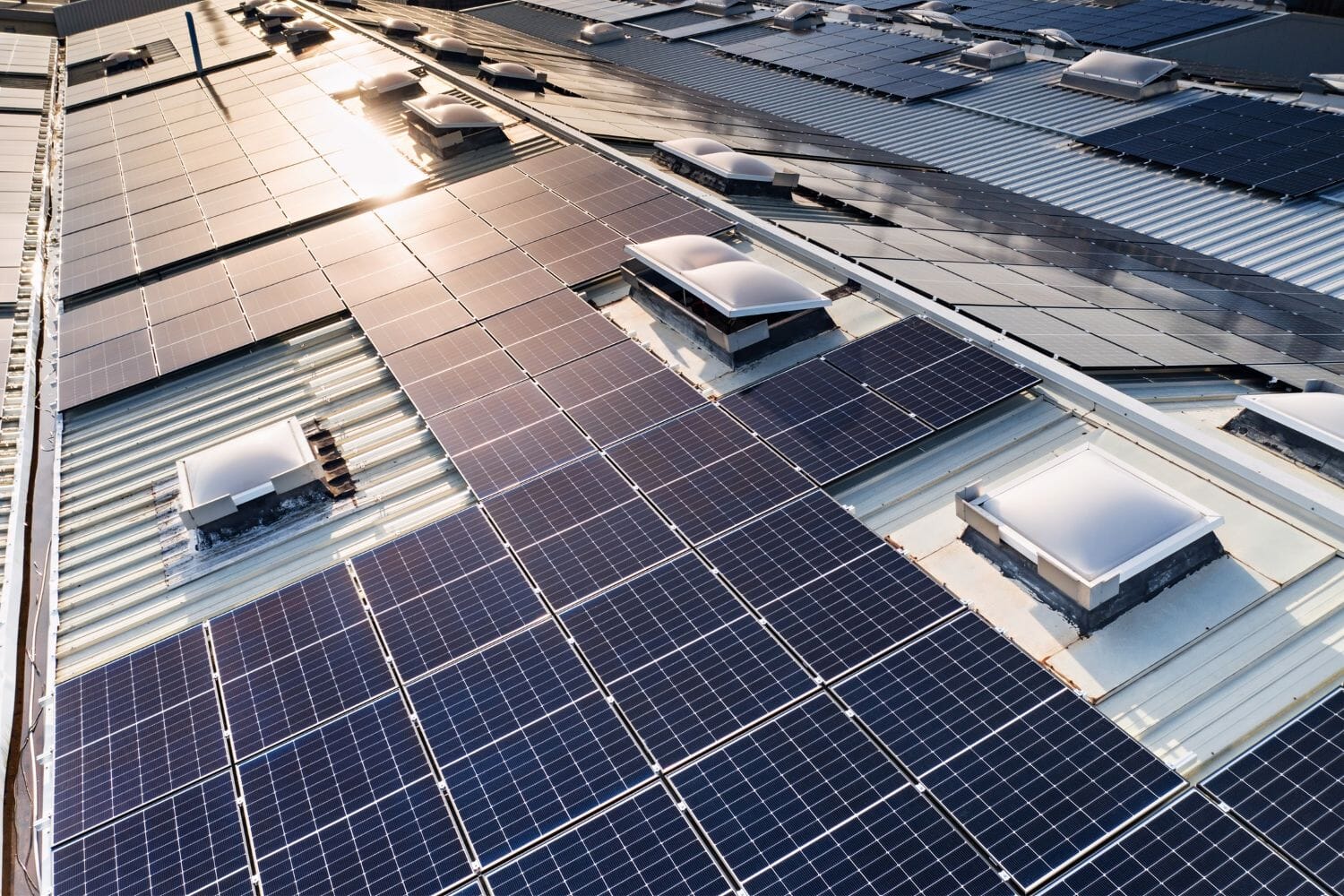
Rooftop and ground-mounted solar, battery storage and other distributed energy technologies can increasingly form part of a wider strategy to improve resilience and reduce long-term exposure to the grid.

Not every site will be suitable, and onsite generation will rarely meet every kilowatt-hour of demand. But where the economics and physical characteristics work, it can materially change the energy profile of a business.

Taking greater control

The biggest shift we are seeing is therefore one of mindset.

Energy is moving from being treated solely as an operating expense to becoming a strategic consideration.

For energy managers, finance directors and business leaders, that means looking beyond the next procurement window and asking different questions.

How much of our future energy demand could we generate ourselves? How exposed are we to future volatility? Could our sites support solar, storage or other distributed energy infrastructure? And could we achieve that without diverting capital from our core business?

There will always be uncertainty in energy markets. Businesses cannot control geopolitics, wholesale prices or the wider energy system.

But they can take greater control of their own exposure to them.

And in the UK’s new energy reality, that may prove just as important as negotiating the next supply contract.

Miles Thomas is Chief Commercial Officer at AMPYR Distributed Energy. His article, “The UK’s new energy reality requires a procurement rethink”, appears in the September 2026 edition of Energy Manager Magazine.