In conversation with John Behan: Building Europe’s next generation of distributed energy infrastructure

Photo of John Behan, CEO

Our CEO, John Behan, on pan-European growth and why businesses are rethinking energy strategy

AMPYR Distributed Energy’s acquisition of a 70MW operating solar portfolio from TotalEnergies marks a major step in the company’s European growth.

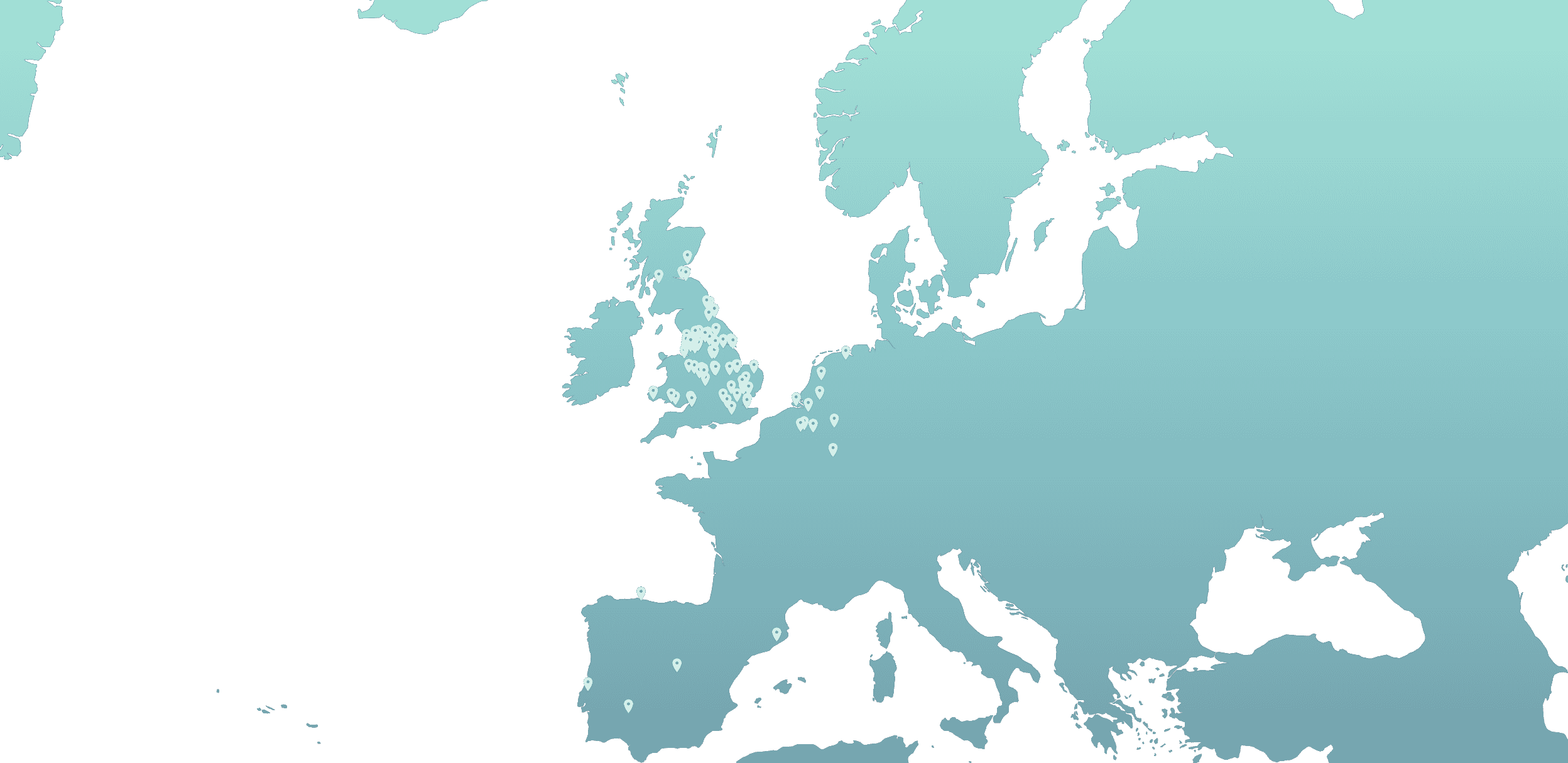
The transaction adds 17 operational commercial and industrial solar assets across the UK, Belgium, the Netherlands, Luxembourg, Portugal and Spain, taking our contracted capacity to more than 250MW.

We spoke to John Behan, our Chief Executive Officer, about why the acquisition is transformational for the business, what it means for customers and why distributed energy is becoming increasingly strategic for European companies.
AMPYR Distributed Energy (ADE) has just completed the acquisition of a major European solar portfolio. Why is this such an important milestone?

This is a significant moment for ADE because it provides a strong foundation for the next stage of our growth in Europe.

We have already demonstrated our ability to become one of the leading funders of onsite energy in the UK. We have also begun building our presence in Europe, particularly in Germany, where we have a team on the ground, projects moving into delivery and a strong development pipeline.

This acquisition allows us to accelerate that strategy. It brings a high-quality operational portfolio, excellent corporate customers and speeds up the implementation of delivery capabilities across several important European markets.

It is not simply another acquisition. It represents a genuine step-change in the scale, reach and maturity of the business.

You have described the acquisition as a launchpad for ADE’s pan-European strategy. What do you mean by that?

Our long-term ambition is to become the leading distributed energy provider for businesses across Europe.

To achieve that, we are building capability in a number of key markets. We already have a growing business in Germany, and this acquisition gives us a significant foothold in Benelux, alongside an operating presence in Iberia, as well as adding to our UK assets.

It took us around two years from launch in the UK to reach scale. This transaction gives us that scale overnight, and that matters. It de-risks our European scale-up, and now creates both the platform and the optionality to continue growing.

It also reflects the way our customers operate. Many are multinational businesses with sites across several European countries. They do not necessarily want to work with a different energy partner in every market.

By building genuine pan-European capability, we can support portfolio-wide rollouts and provide funding, delivery and long-term asset management wherever our customers are located.

Why is Europe such an important market for distributed energy right now?

Across Europe, businesses are facing many of the same fundamental energy challenges: high prices, exposure to fossil-fuel volatility, pressure on grid infrastructure and the need to decarbonise.

Distributed energy addresses all of those issues.

It can be deployed relatively quickly, reduces pressure on the grid and gives businesses access to affordable, locally generated renewable energy. It delivers stronger organisational resilience, providing energy security for the long term.

We have seen the demand for these solutions grow rapidly in the UK, and we believe the same underlying drivers are creating a major opportunity across Europe. In our key markets, Germany and Benelux, the real shift is subsidies giving way to PPAs.

European businesses are facing some of the highest energy costs in the world. How is that changing the conversations you are having with customers?

The conversation has changed significantly over the past few years.

Initially, many discussions were driven primarily by net-zero commitments and sustainability targets. Those priorities remain important, but energy has now become a much more strategic boardroom issue.

Businesses have experienced two major energy price shocks within a relatively short period, first following Russia’s invasion of Ukraine and more recently as a result of instability in the Middle East. That has made companies far more conscious of their exposure to global fuel markets and the risks associated with relying heavily on grid-supplied electricity.

Customers increasingly want greater control.

Onsite energy allows businesses to secure a meaningful proportion of their electricity at a lower and more predictable cost, while also improving resilience and reducing exposure to future market volatility.

Businesses need a long-term energy strategy.

Why does scale matter in distributed energy?

Scale matters because it allows capital and expertise to be deployed more efficiently across multiple projects and markets.

It can improve purchasing power for solar panels, batteries and construction services, and also reduce financing costs due to the size of the facilities raised. All of these factors help to create a more competitive and flexible solution for customers.

But scale is not only about economics. It matters because many of our customers operate at scale themselves.

They may want to deploy solar, batteries or other energy infrastructure across tens or even hundreds of locations. They need confidence that their partner has the capital, delivery capability and long-term commitment to support an entire programme, rather than simply completing a pilot project.

Our role is to combine the benefits of a scaled platform with solutions tailored to each individual site. And to do it at pace.

Map of Europe with ADE site locations on
"It is not simply another acquisition. It represents a genuine step-change in the scale, reach and maturity of the business."

More businesses now operate across multiple European markets. How has that changed what customers are looking for?

The strategic priorities are remarkably consistent across markets.

Businesses want more control over their energy, greater resilience, improved security of supply and long-term cost certainty.

The challenge is often delivery. Distributed energy projects can become complex when they need to be developed site by site across countries with different regulatory, legal and technical requirements.

Customers increasingly want one partner capable of taking responsibility for the overall programme.

That means understanding the customer’s strategic objectives at a European level, while adapting the delivery model to suit the local requirements of each market and each site.

A single long-term partner provides consistency, accountability and simplicity. That is increasingly important for organisations managing complex, multi-country estates.

And as of today, we have multiple examples of active customers across the UK, Benelux and Germany, where we are delivering multisite, multi-country onsite renewables.

What does the acquisition mean for existing and future customers?

It gives us greater capability to support their needs, and it provides confidence and track record, which is crucial in purchasing decisions.

We now have stronger operating experience across more European markets, an expanded delivery and asset-management network and additional expertise across different forms of solar infrastructure.

It also gives us the ability to support larger programmes and deploy capital across multiple countries.

For customers, that means greater confidence that ADE can support them through the full lifecycle of a project, from development and funding through to construction, operation and long-term performance.

Ultimately, the acquisition expands our ability to deliver.

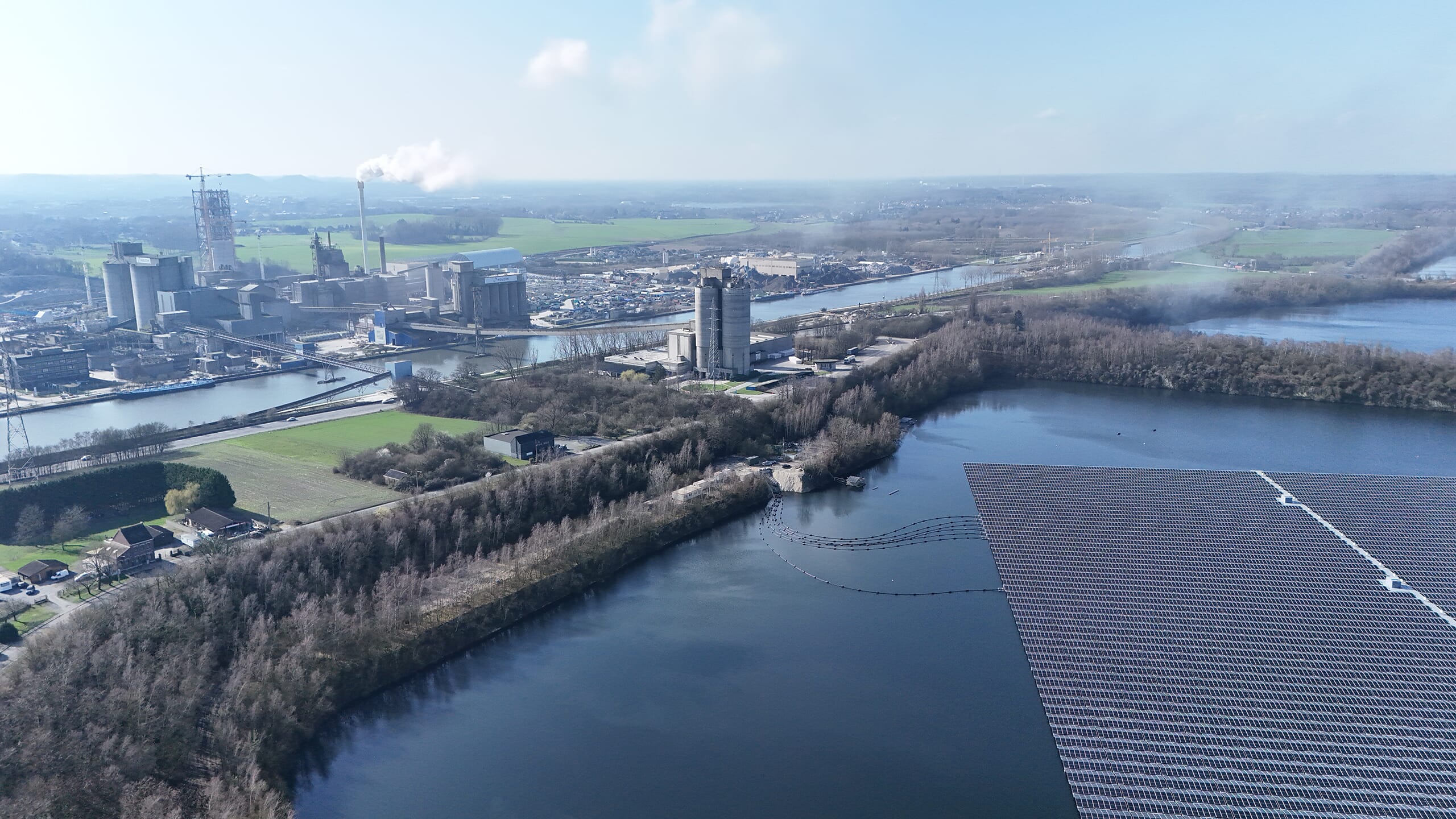
The portfolio includes Europe’s largest floating solar power plant dedicated to industrial self-consumption. What does that say about the quality of the assets?

The engineering quality of the portfolio is exceptional. These are assets developed by a blue-chip organisation, and we have confidence in their long-term performance.

But the quality of the customer relationships is equally important.

The portfolio is backed by major industrial businesses, and those relationships give us the opportunity not only to operate the existing assets well, but also to explore how we can support those customers more broadly over time.

The floating solar installation is particularly exciting because it adds another technology to our capability.

For some businesses, rooftop solar will be the right solution. For others, ground-mounted solar connected by private wire may be more appropriate. Where industrial sites have suitable bodies of water, floating solar can provide renewable energy at a scale that makes a meaningful difference to operations.

The ability to identify and deliver the right solution for each customer is central to our approach.

Looking ahead, what does success look like for ADE over the next few years?

Success means building on our ambition to become the leading distributed energy provider for European businesses.

We now have strong foundations in several key markets. The next stage is about developing those positions, expanding customer relationships, adding new capability and continuing to grow our network of trusted delivery partners.

We want to bring the scale and experience we have already demonstrated in the UK to new customers and new markets. That means scaling our operating portfolio position in Benelux 2-3x, and becoming a leader in the German market over the next 12 to 24 months.

Most importantly, we want to remain focused on execution: turning ambition into operational assets that reduce costs, improve resilience and support decarbonisation.

Finally, if you had one message for European business leaders today, what would it be?

There is an opportunity to take control of your energy future.

Those businesses that have already taken action have seen significant savings over the last couple of years, but it is certainly not too late.

The challenges of high prices, significant volatility and increasing grid costs are not likely to disappear.

The answer is to take a more strategic, long-term view of energy.

Distributed energy can help organisations reduce costs, improve resilience and gain greater certainty over a significant part of their future energy requirements.

The market can appear complex, and that complexity can sometimes delay action. Our role is to make it simple, remove those barriers and help businesses turn energy into a genuine competitive advantage.