A new energy year: why 2026 will be a defining moment for distributed energy

Photo of Miles Thomas, CCO
Miles Thomas MRICS
5th January 2026
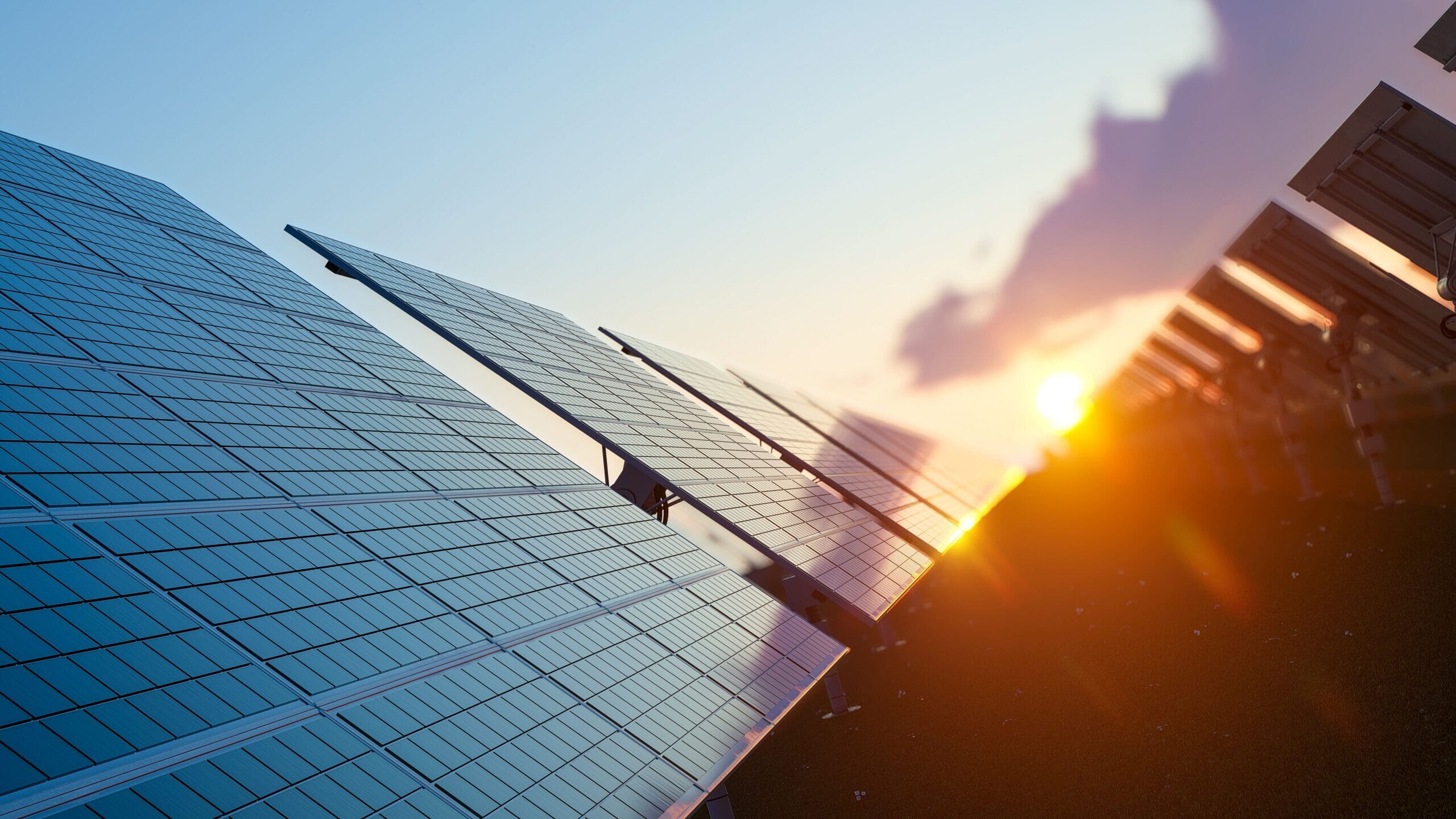
Solar panel close up with sunrise in the background

As we enter 2026, the energy conversation has shifted decisively. The question is no longer whether organisations should choose onsite distributed energy. It’s how quickly they can do it, and with whom.

Across the UK and Europe, businesses are operating in a more complex energy environment than ever before. Volatile wholesale prices, grid constraints, tightening carbon targets and increasing pressure on industrial competitiveness are converging. At the same time, falling interest rates and more mature financing structures are changing the economics of onsite generation, making long-term Power Purchase Agreements (PPAs) and distributed energy assets materially more attractive than they were even a few years ago.

What’s becoming clear is that distributed energy is no longer a sustainability add-on. It is fast becoming a strategic operational asset.
2026 is a moment of choice

Organisations can continue to manage energy as a variable cost they react to, or they can start treating it as critical infrastructure they actively control. Those that move early will lock in long-term price certainty, improve resilience and build a structural advantage that will be increasingly difficult for competitors to replicate. We are seeing a growing number of corporates lead the way, with these organisations already benefiting from substantial energy cost reductions during the last few years.

We see three clear trends shaping the year ahead

1. Energy is moving from procurement to strategy

Forward-looking organisations are moving beyond short-term fixed contracts and asking a more fundamental question: how can energy actively support our business? Onsite generation, storage and optimisation give organisations greater control over cost, resilience and long-term planning – particularly for industrial users, large estates and energy-intensive sectors.

2. Partnership models are becoming the differentiator

As distributed energy scales, how projects are delivered and financed is becoming as important as the assets themselves. Increasingly, organisations are recognising that successful onsite energy projects depend on long-term partnerships, not transactional installations.

Distributed energy assets operate for decades, not years. This requires delivery models that align incentives across financing, engineering, operations and asset management over the full life of the project. In practice, this means close collaboration between funders, specialist delivery partners and customers to ensure each solution is designed around real site conditions, operational requirements and long-term performance.

In 2026, the value of partnership-led models is becoming clearer. They reduce delivery risk, improve build quality and, crucially, ensure assets continue to perform as expected long after commissioning. For organisations investing in critical energy infrastructure, this long-term alignment is increasingly central to decision-making.

3. Germany’s policy pivot is accelerating distributed energy adoption

Policy across the UK and Europe is also moving in a consistent direction, with Germany providing one of the clearest signals of where the market is heading.

The long-established Erneuerbare-Energien-Gesetz (EEG) renewables subsidy scheme underpinned Germany’s rise as the largest renewable energy market in Europe, but its investment appeal has weakened amid falling auction prices and increased curtailment during negative power price periods. This means the adoption of onsite PPAs combined with energy storage is the most attractive route for renewable investment over the coming years.

The shift reflects a broader recognition that large-scale central generation alone cannot deliver the resilience, affordability and security required in a more electrified economy. For businesses operating across multiple European markets, this policy pivot matters. It signals growing political and regulatory support for on-site generation and long-term private investment in distributed assets. As grid pressures increase and system costs evolve, organisations that deploy distributed energy early will be better positioned to manage exposure and take advantage of a more decentralised energy architecture.

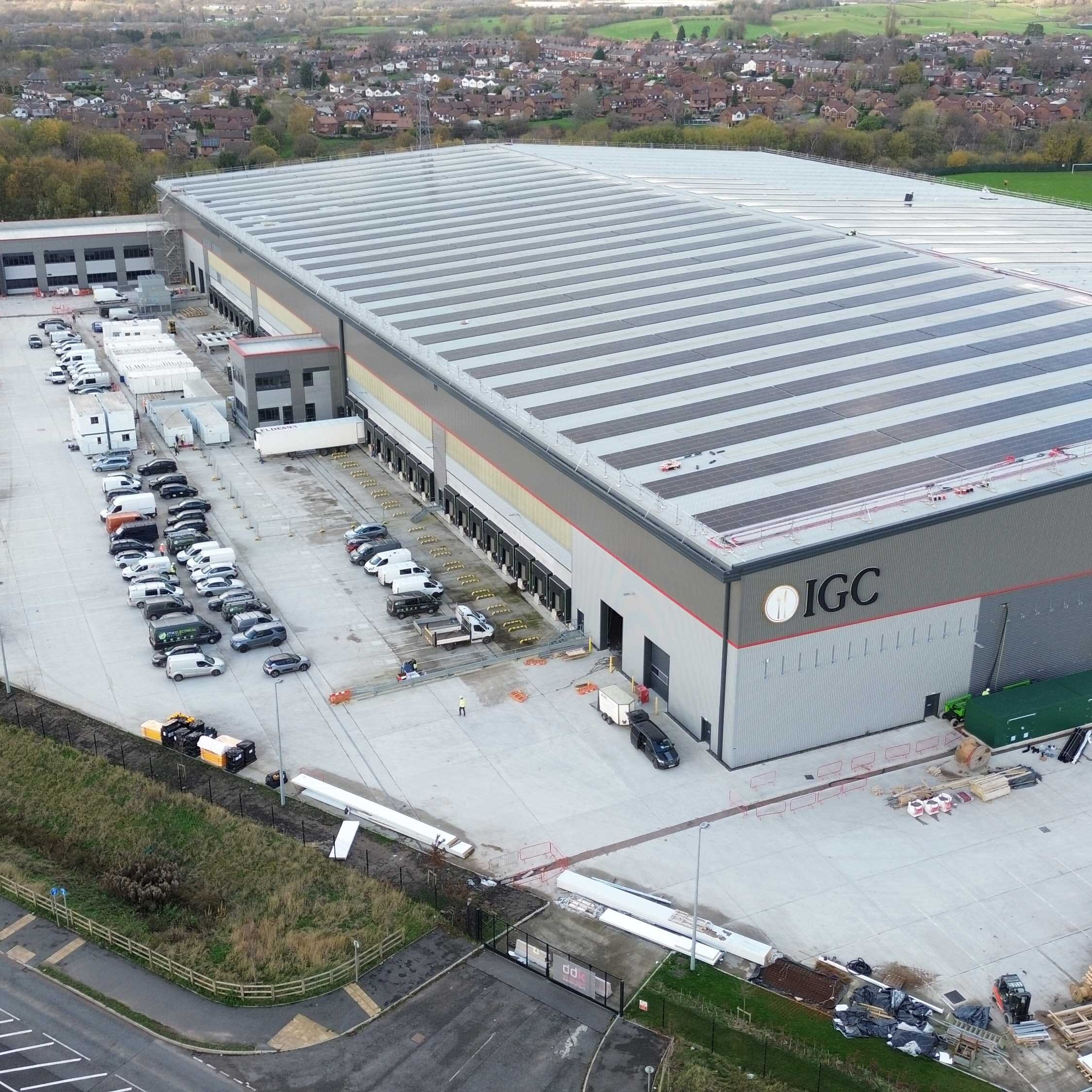
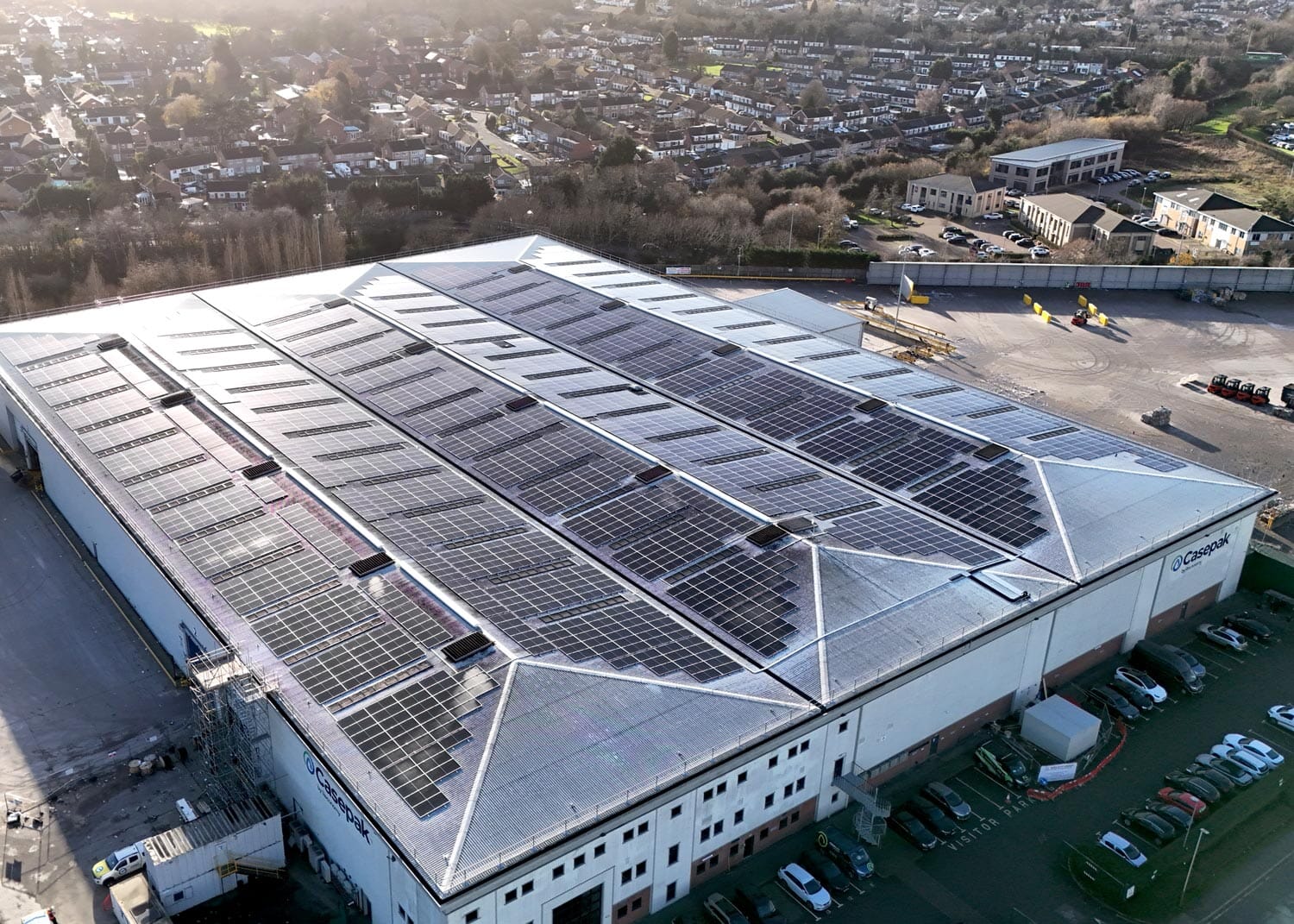
Solar panels installed by AMPYR Distributed Energy
The energy transition is no longer theoretical.

In 2026, it becomes operational.

For many organisations, distributed energy is now one of the few levers that can simultaneously reduce operating costs, protect margins, strengthen resilience and deliver measurable decarbonisation. Very few strategic investments offer that combination – and even fewer can be delivered without upfront capital or operational complexity.

The biggest barrier we still see is not technology or finance. It’s mindset. Treating energy as a short-term procurement exercise made sense in a stable system. In today’s environment, it leaves value on the table.

At AMPYR Distributed Energy, we believe leadership in 2026 will be defined less by ambition statements and more by assets on the ground. Real projects. Real performance. Long-term commitment. That means funding, owning and operating high-quality distributed energy assets that reduce costs, improve resilience and support decarbonisation – while making the process clear, practical and partnership-led for our customers and delivery partners.

The energy transition is no longer theoretical. In 2026, it becomes operational.

The question for organisations is no longer “Is distributed energy right for us?”

It’s “How quickly can we move – and who do we trust to deliver it with us?”