What is distributed energy? And why are more businesses taking control of their own power?

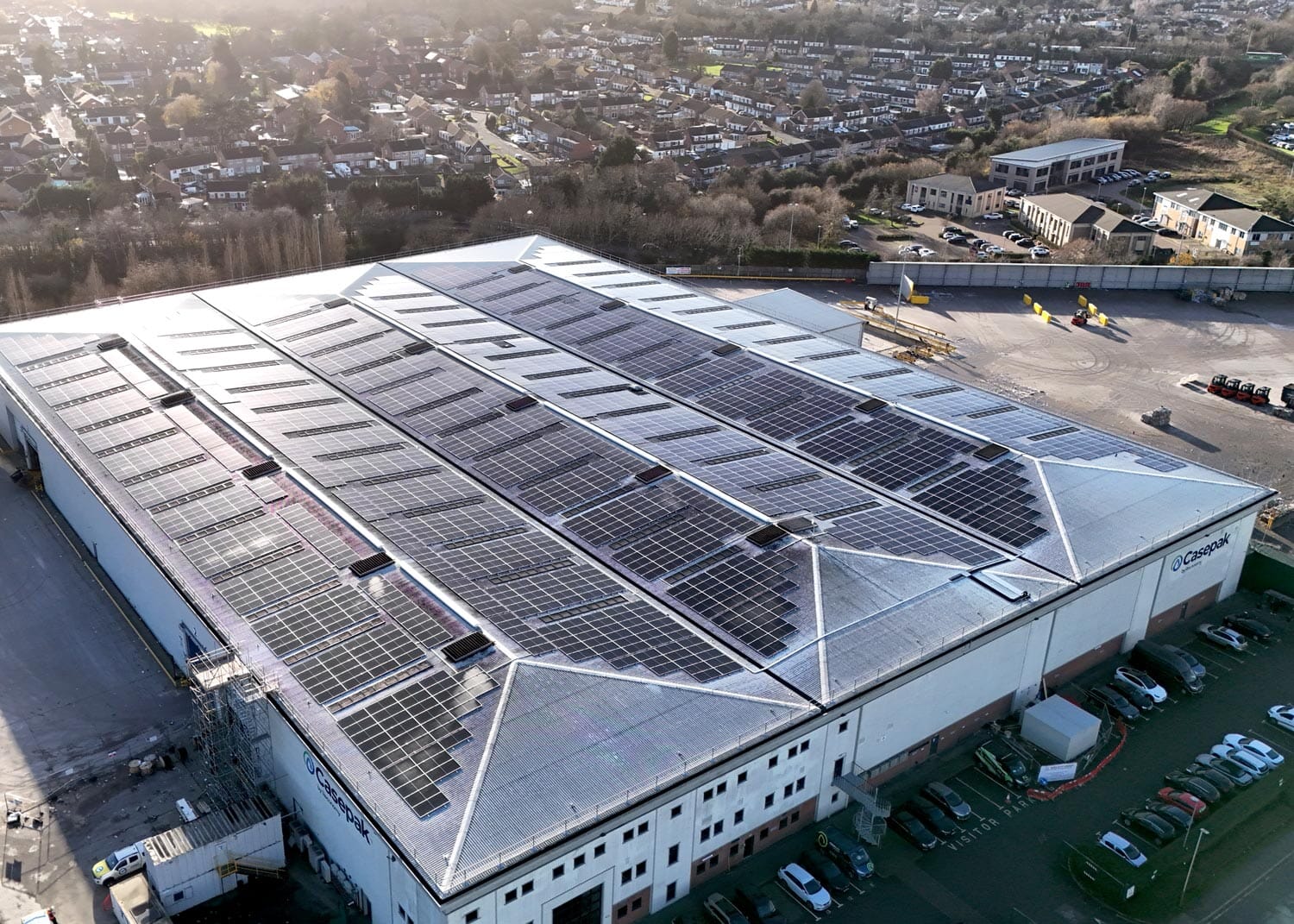
Casepak_ADE_rooftop-solar

For decades, buying electricity was simple. Businesses consumed power. Utilities supplied it. Energy was treated as another overhead to be managed, alongside rent, insurance and business rates.

That model is changing. Across the UK and Europe, organisations are rethinking how they buy, generate and manage electricity. Rising energy costs, pressure to decarbonise and growing concerns around energy security have all exposed the limitations of relying solely on the grid.

The result is the rapid growth of distributed energy.

So, what is distributed energy?

Distributed energy simply means generating, storing and managing energy closer to where it is used, rather than relying entirely on large power stations located many miles away.

Instead of importing 100% of their electricity from the grid, businesses can generate some of their own power through technologies such as solar, battery energy storage and other onsite energy solutions. The electricity is produced where it’s needed, reducing dependence on the wider electricity network while helping organisations lower costs and improve resilience.

It’s a more local, more flexible way of thinking about energy.

More than solar panels

Distributed energy is often associated with rooftop solar, but it’s much broader than that. It’s an approach to energy management that combines generation, storage and intelligent operation to give businesses greater control over how they consume electricity.

Depending on the site, that might include:

  • Solar technologies including rooftop, ground-mount, carport and floating schemes
  • Battery energy storage systems (BESS)
  • Private wire connecting the energy asset directly to the customer site
  • Smart energy management systems

These technologies work together to reduce reliance on imported electricity while making energy costs more predictable over the long term.

Why now?

The energy landscape has changed dramatically over the past decade.

Wholesale electricity prices have become more volatile. Geopolitical events have highlighted the risks of relying on global energy markets. At the same time, businesses face increasing pressure to reduce carbon emissions without compromising competitiveness.

Distributed energy helps address all three challenges:

  • Generating electricity onsite reduces exposure to market volatility.
  • Long-term PPAs provide predictable energy pricing.
  • Renewable generation helps organisations make meaningful progress towards their sustainability goals.

For many businesses, distributed energy has become a commercial decision as much as an environmental one.

From energy buyer to energy manager

Traditionally, energy procurement has focused on securing the best price from suppliers every few years.

Distributed energy changes that conversation.

Energy becomes an operational asset that supports business performance for decades, reducing costs, strengthening resilience and giving organisations greater control over one of their largest operating expenses. Instead of simply buying electricity, businesses become active participants in how it’s generated and managed.

Making distributed energy accessible

Historically, installing onsite energy infrastructure required significant capital investment and specialist expertise. Today, that no longer has to be the case.

Through long-term Power Purchase Agreements, organisations can benefit from onsite renewable energy with no upfront capital investment. The infrastructure is funded, owned and operated by a specialist partner, while the customer simply purchases the electricity the system generates at an agreed long-term price.

It removes much of the complexity while allowing businesses to realise the financial and environmental benefits from day one.

The future of business energy

The electricity system itself is becoming more distributed. Instead of relying solely on a small number of large power stations, tomorrow’s energy system will increasingly be built around thousands of connected energy assets located closer to homes, factories, warehouses, offices and public buildings.

Businesses that embrace distributed energy today won’t just reduce costs and carbon emissions. They’ll be better positioned for a more resilient, flexible and decentralised energy future.

At AMPYR Distributed Energy, we believe energy should be more than something organisations simply buy. It should be a strategic asset that delivers long-term value, improves resilience and supports sustainable growth.

For businesses that embrace distributed energy, energy stops being an overhead and starts being an advantage.