A Power Purchase Agreement is a long-term contract under which a business agrees to buy electricity generated by a renewable energy asset at a fixed, pre-agreed price. A PPA typically provides predictable pricing and a direct link between the consumer and the renewable generator.
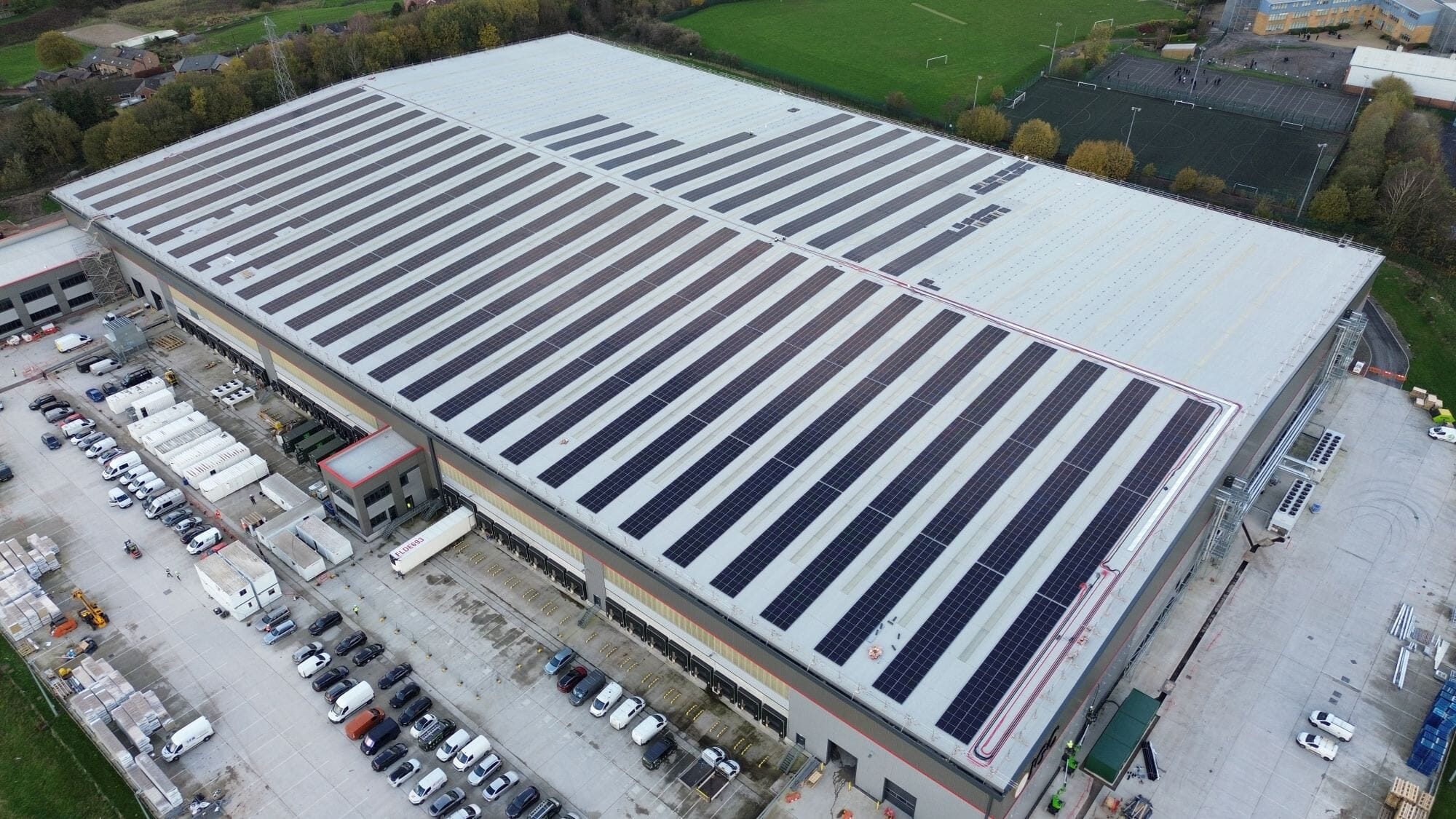
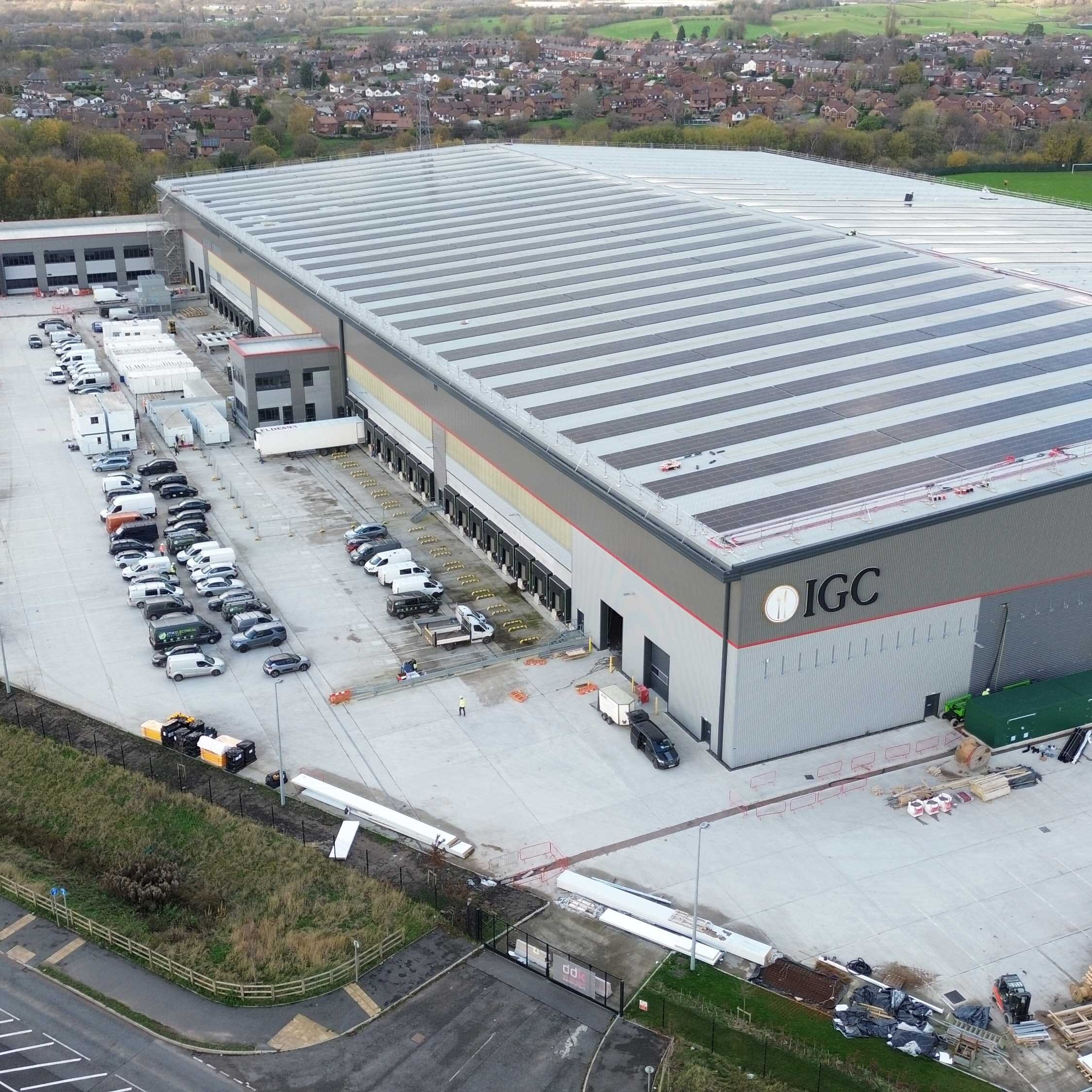
PPAs can take different forms. In an onsite PPA, the renewable asset – typically solar – is installed on or very close to the customer’s site, and supplies clean power directly into their operations. Speed of delivery is another key differentiator. Unlike large corporate PPAs, which can involve complex negotiations, extended structuring processes and dependency on grid connection timelines, on-site PPAs are typically faster to contract and quicker to implement. Projects are smaller, agreements are more straightforward, and critically there is no reliance on securing new grid capacity. AMPYR Distributed Energy is structured to move at pace – with standardised contracts, in-house expertise and committed capital enabling rapid decision-making. This allows customers to move from strategy to operational generation quickly, accelerating both cost savings and carbon reduction without unnecessary delay.
Alternatively, a corporate or ‘sleeved’ PPA enables a business to contract renewable electricity from a dedicated asset located elsewhere, with the power delivered via the grid. This allows organisations to access renewable generation at scale, even where on-site installation is not possible due to space, planning or operational constraints.
Crucially, under either PPA model, the customer does not own the asset. The PPA provider designs, installs, owns and operates the system for its full lifetime, while the customer simply pays a stable, competitive price for the electricity they consume.
This structure removes upfront capital expenditure while delivering long-term price certainty and carbon reduction from day one.
Both onsite and corporate PPAs play an important role in a proactive energy strategy. Onsite PPAs provide energy independence and deliver value to the customer by reducing grid charges, while corporate PPAs provide scale and flexibility for energy-intensive or space-constrained businesses. In both cases, the core benefits remain the same: predictable costs, reduced exposure to volatile markets, and a clear link between energy consumption and renewable generation.