National competitiveness in the age of electro-states

Photo of John Behan, CEO
John Behan
22nd January 2026
thames-541456_1280

The global energy transition is no longer primarily an environmental debate.

It is an economic one.

As the 2020s progress, a clear fault line is emerging between countries whose power systems, industries and geopolitics remain anchored to fossil fuels, and those restructuring their economies around clean, domestically generated electricity. Increasingly, this is framed as petro-states versus electro-states, and the implications
for national competitiveness are profound.

For businesses operating across the UK, Germany and wider Europe, this shift is not theoretical. It is already reshaping cost structures, investment decisions and long-term growth prospects.
Energy is a competitive input again

For decades, energy in advanced economies was assumed to be abundant, cheap and largely invisible to strategic decision-making. That assumption has collapsed.

Rising labour costs, tighter capital markets and geopolitical instability have collided with constrained grids and volatile wholesale power prices — putting particular pressure on manufacturers and other energy-intensive sectors. In Germany, manufacturing output has been contracting in the face of high energy prices, reflecting sustained pressure on industrial competitiveness and investment confidence.

As John Behan, CEO of AMPYR Distributed Energy, observes:

“For many businesses, energy has become one of the most material inputs into the competitive agenda. When power is volatile, constrained or unpredictable, it doesn’t just affect operating costs. It shapes whether companies can invest, expand or even maintain their operations.”

Energy-dependent organisations, from manufacturers and logistics operators to data-driven commercial estates, now face a simple reality:

Competitiveness increasingly depends on access to affordable, reliable electricity.

This is why energy strategy has moved decisively into the boardroom.

From global fuels to local power

Petro-states derive advantage from controlling fuel supply. Electro-states derive it from controlling electricity systems: how power is generated, where it is located, how flexible it is, and how resilient it remains under stress.

The UK and Germany are both attempting this shift under pressure. Transport, industry and heat are electrifying at pace, while ageing infrastructure and legacy market structures struggle to keep up. The result is a widening gap between policy ambition and physical delivery.

In the UK, this gap is becoming increasingly visible. Cornwall Insight forecasts that higher transmission costs and pressure from policy levies will cause electricity bills in the UK to continue to rise, limiting the effectiveness of short-term procurement strategies.

In Germany, policymakers are grappling with the same challenge from a different angle. The focus is shifting away from subsidy-led deployment of renewables to a market framework designed to attract long-term private capital. The German Federal Ministry for Economic Affairs and Climate Action (BMWK) has set out plans for a future electricity market that places greater emphasis on flexibility, decentralised generation, storage, and long-term investment signals as critical components of a resilient power system.

Together, these signals underline a shared reality: waiting for wholesale reform or major grid reinforcement alone is not a viable strategy for most businesses.

Distributed energy as industrial infrastructure

This is where distributed energy has become strategically important.

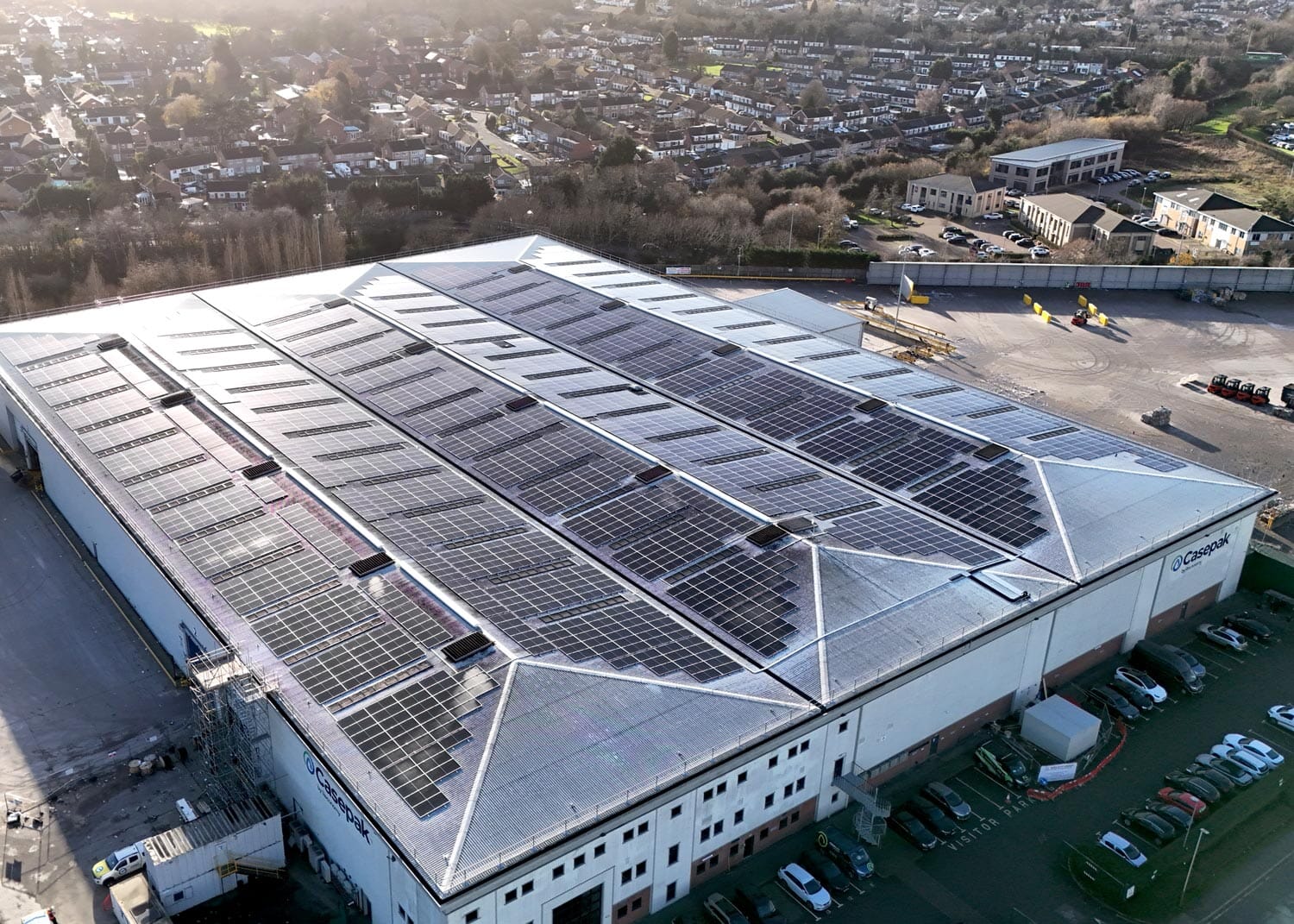
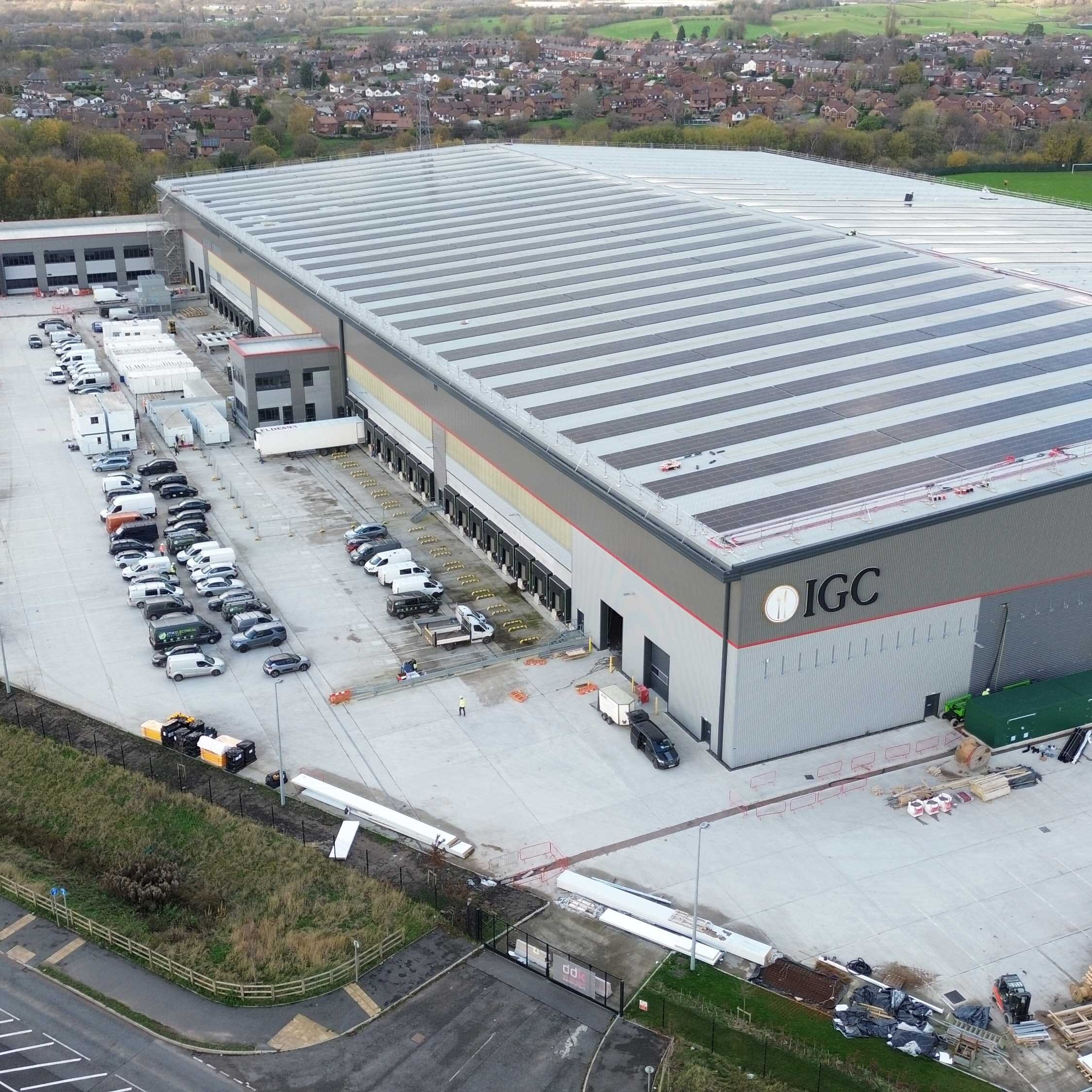
On-site and behind-the-meter generation, when combined with storage, smart controls and long-term operational management, allows organisations to stabilise costs, reduce exposure to volatility and unlock capacity that would otherwise remain constrained by the grid.

In Germany, this is increasingly about protecting industrial output and retaining investment in a high-cost environment, aligned with national efforts to create a more flexible and decentralised electricity system.

In the UK, it is often about enabling growth at all, unlocking new sites, electrifying assets, or expanding estates where grid access alone is insufficient.

The common outcome is resilience.

And in 2026, resilience is a competitive advantage.

How AMPYR Distributed Energy sees the market evolving

At AMPYR Distributed Energy, we see this shift accelerating across both markets.

Businesses are approaching energy less as a procurement exercise and more as long-term infrastructure planning. They want certainty over decades, not quarters. They want partners who can fund, deliver and operate assets over their full life, not simply install them.

As Behan puts it:

“The organisations moving fastest are treating energy like any other critical infrastructure decision: long-term, strategic and closely tied to their growth plans.
They’re not waiting for the system to catch up.”

This is shaping the market heading into 2026:

• Grid constraints will intensify, making distributed solutions essential rather than supplementary
• Geopolitical uncertainty will continue to shape energy pricing, reinforcing the value of predictable, long-term access to energy
• Capital will increasingly favour resilient, electrified assets, at both company and country level

Our role is to be a proactive infrastructure partner. By funding, owning and operating distributed energy assets, we help businesses decarbonise while strengthening their economic position, reducing reliance on unstable markets and constrained systems, and turning energy into an enabler of growth rather than a brake on ambition.

Competitiveness is being built site by site

National competitiveness will be shaped not only by policy ambition, but by how effectively businesses are able to operate, invest and expand within the energy systems available to them.

Distributed energy is not the entire answer.

But it is increasingly the difference between constraint and capability.

In that sense, competitiveness in the UK and Germany is now being shaped one site at a time. One asset at a time. One long-term energy decision at a time.
The countries, and companies, that recognise this early will be the ones that lead the next phase of the energy transition. Those that delay will increasingly find competitiveness constrained by systems they do not control.