In conversation with Ben Cameron: Putting capital to work in distributed energy

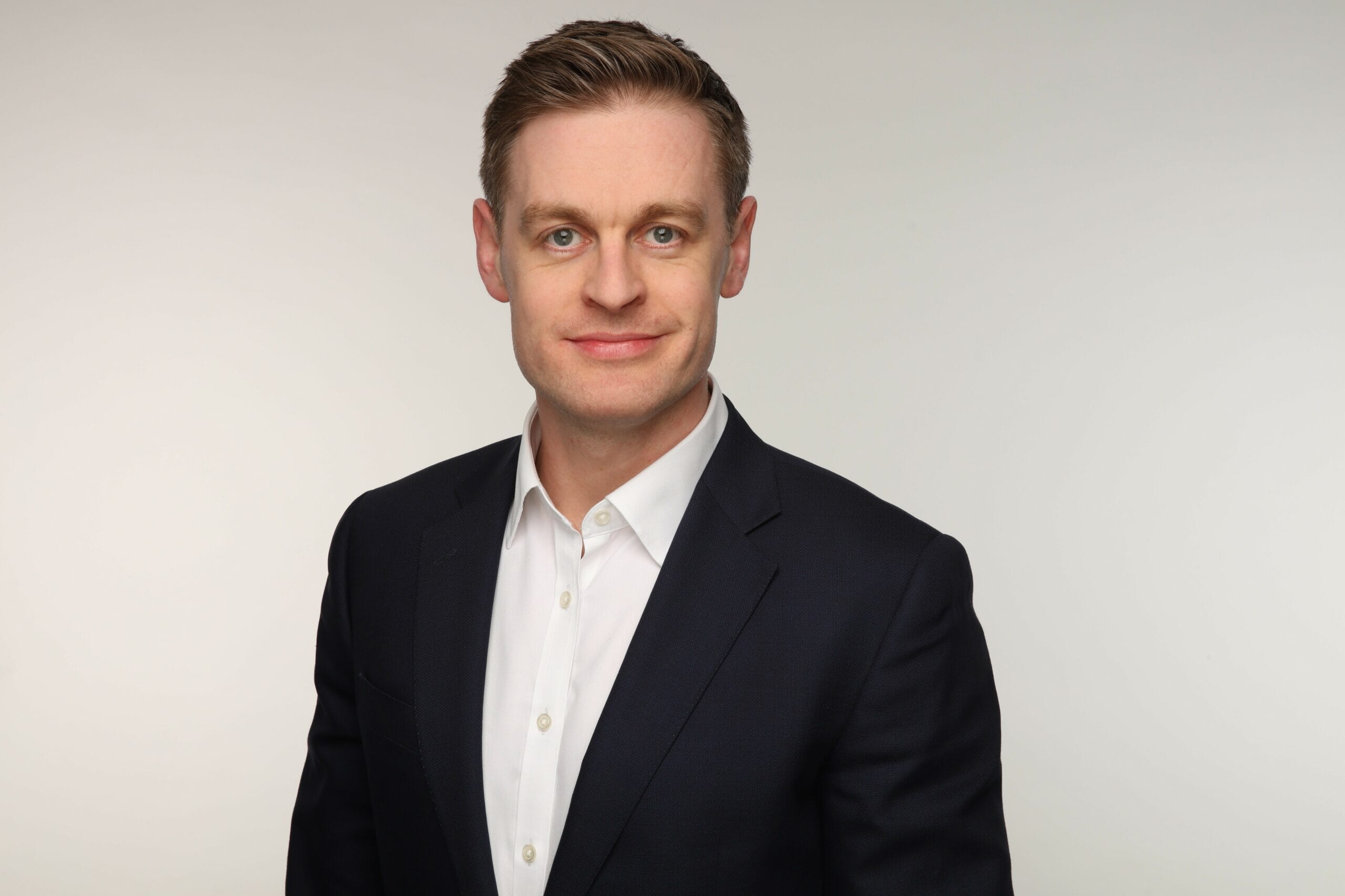
Photo of Ben Cameron

Our Chief Investment Officer, Ben Cameron, on where capital is flowing and what makes distributed energy investable.

Investment in energy is running at record levels, but the money is moving. Grids, batteries and distributed generation are taking a growing share, as security of supply and cost overtake net zero as the driver.

For AMPYR Distributed Energy, 2026 has been a year of scale: more than £350m of debt facilities raised in 18 months, a 70MW operating portfolio acquired from TotalEnergies and a direct equity investment from Stonepeak.

We spoke to Ben Cameron, our Chief Investment Officer, about what he is seeing in the market, why there is no shortage of capital, and where ADE is looking to invest and acquire in 2027.

We’re seeing record levels of investment in energy globally. What’s your reading of the market right now?

Spending is at a record, but where it goes is shifting. The money is moving towards grids, batteries and distributed generation, and the drivers are security and cost.

Total energy spending is on course for around $3.4tn globally in 2026, with solar alone attracting $365bn – $1bn a day. Spending on renewable generation has actually eased since 2024, but that is largely because panels keep getting cheaper. The world is buying more solar for less money.

The fastest growth is now in grids and batteries – approaching $550bn and passing $100bn respectively this year. That is a sign of solar’s success: so much has been built that the rest of the system has to catch up. That shift favours our model. Where grids are congested, generating at the point of use avoids the queue, and batteries make each site more valuable.

Utility-scale projects are dealing with negative prices, curtailment and falling capture rates. Contracted, onsite projects are not. The safest MW is the one consumed on the customer’s side of the meter – it never sees a negative price, a curtailment order or a grid queue.

Even government-backed revenue is less certain than it was. The UK has said it will pause before the next CfD round, AR9, to review the contracts, and around 60% of UK solar capacity built in the last three years relied on a CfD. A contract with a customer who needs the power is a better foundation than a contract that depends on the next policy review.

Commercial and industrial solar has proved more resilient than other segments, because businesses are buying to cut costs and hedge volatility. The driver has shifted from net zero to security and cost. After the 2022 gas crisis and now the disruption in the Strait of Hormuz, this is the second energy crisis in five years. Energy is now a boardroom issue.

Is the challenge really a lack of capital, or getting capital into the right projects?

There is no shortage of capital. There is a shortage of projects worth funding. Anyone who says otherwise is usually holding a project that isn’t.

The capital is there, but it is pickier and it is looking for scale. Infrastructure funds raised a record of around $200bn globally in 2025, and much of that is still unspent. Investor interest has outpaced the deals available. New fundraising has slowed this year, to about $100bn in the first nine months, and it is concentrating with the largest managers.

A good site and a willing customer is not yet an investable project. It needs a creditworthy offtaker and a long-term PPA, secure land or roof rights, a grid position and a quality build.

When we look at a project, we want high self-consumption, a long contract, a strong counterparty and a price that saves the customer money from day one. Our portfolio averages a contract length of over 20 years.

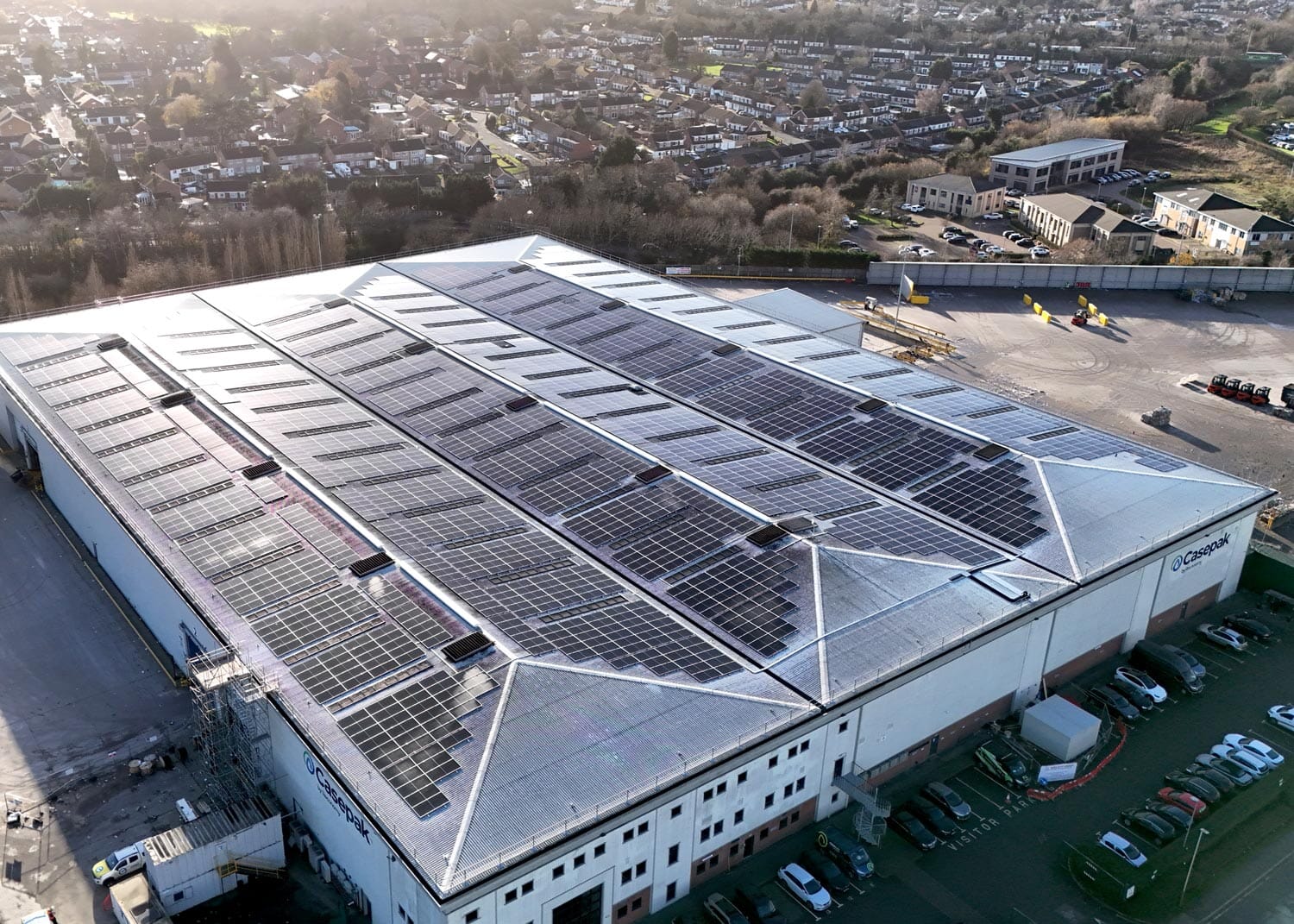
Casepak_ADE_rooftop-solar
“There is no shortage of capital. There is a shortage of projects worth funding.”

Distributed energy often involves relatively small individual projects. How do you make that attractive to institutional investors?

Aggregation is the key, but only if the portfolio is built to a common standard. Aggregation is more than adding up MW. It means standardised contracts, consistent underwriting and one operating platform. A single site is too small to finance efficiently. A portfolio of more than 200 sites and 70 customers is diversified infrastructure.

Standardisation is what makes small projects financeable. With the same PPA, lease and technical standards on every site, lenders can fund the portfolio without re-underwriting each asset. That’s how we have raised more than £350m of debt facilities in 18 months: £220m of senior and mezzanine debt in sterling, and €170m in euros. The facilities work as warehouses in that we aggregate smaller assets to a common standard, then refinance at scale.

There are too many sub-scale portfolios with the wrong capital behind them. I expect a wave of consolidation, and a handful of platforms worth €500m to €1bn within three years.

How does the cost and structure of capital influence the commercial proposition for customers?

Cheaper capital means a lower, longer fixed price for the customer. It is that direct.

Cost of capital is the biggest single lever on the PPA price. Solar is almost all upfront capex, and financing accounts for around a third of the cost of solar power in advanced economies. Higher-for-longer borrowing costs hit capital-intensive technologies hardest.

Our scale and a diversified, contracted portfolio allow us to attract the best capital and keep our financing costs down, and that feeds through to the customer’s price. Our capital stack of senior debt, mezzanine and institutional equity lets us fund 25-year assets with no upfront cost to the customer. Lower-cost capital passes straight through as a lower price and a longer fixed term.

Customers should also ask who will be looking after the asset in year 15. Financing gets refinanced and shareholders change, but the contract, the obligations and the operating platform stay. We build to own and operate for the full term.

The result speaks for itself. Across our UK portfolio this summer, onsite power cost customers less than half the grid price.

How important is long-term asset performance to an investment decision?

It is fundamental. We are paid per kWh generated, so if the asset underperforms, we bear it, not the customer.

Quality and operations are where returns are protected. Too much distributed solar has been built to a price, not to last 25 years. The market will find that out over the next decade, and we already see it in portfolios we decline. With less cheap leverage around, returns increasingly depend on operational value creation. That puts the focus firmly on how well an asset is built and run.

Every site brings its own diligence, whether it is a rooftop, ground-mount, carport or floating system: structure and ground conditions, warranties, fire safety and insurance. When we acquire portfolios, operating history and build quality drive value as much as the contract does.

Where do you see the next big investment opportunities?

I see four: new onsite PPAs in the UK and Germany, consolidation through acquisitions, ground-mount private wire in the UK, and batteries behind the meter.

The UK and Germany are our biggest opportunities for new onsite PPAs. Both have some of the highest grid power prices in Europe, so onsite power saves customers the most. Germany is also moving away from subsidies, and major corporates are now running tenders built around onsite PPAs. This shift is good for the market. A project that only works with a feed-in tariff was never a customer proposition.

The sector is consolidating, and acquisitions will be a bigger part of our growth. Large energy companies are recycling capital out of distributed portfolios. Engie sold its Sun4Business portfolio, about 120MW on business sites, to Joulz. Earlier this year we bought a 70MW portfolio from TotalEnergies, most of it in the Benelux region, which made us one of the larger players there overnight. There are interesting acquisition opportunities around, and we are keen to add to our position.

In the UK, the opportunity closest to hand is ground-mount solar on private wire: the same PPA model, at a larger scale. There is a growing stock of consented projects with no grid connection, or a connection date many years out. Around half the solar capacity in the reformed GB queue is not due to connect until 2031 to 2035. Some of those sites sit near a large energy user, and there are good opportunities among them. Connect them directly by private wire and a stranded project becomes a contracted one. It suits us well: bigger projects, the same long-term PPA with a creditworthy customer, and no dependence on the queue.

Batteries behind the meter are a growing add-on, helped by a 45% fall in battery prices in 2025. Co-located with solar, a battery stores midday generation for use later, so the customer uses more of their own power and buys less from the grid at peak prices. On its own, a battery shifts the customer’s demand away from the most expensive periods and provides back-up, which matters to sites where an outage is costly.

We like batteries where the revenue is contracted with the customer. Merchant battery revenues are a different business. In GB they have swung from about £156k/MW/year in 2022 to under £40k in early 2024, and back above £90k this autumn. We would rather take a lower return we can contract than chase a higher one we can’t.
What will separate the winners from the rest in distributed energy in 2027?

Four things: standard contracts, landlord know-how, making it easy for customers, and the scale to deliver whole programmes.

The first is standardisation. Every bespoke PPA and lease adds cost and months. The platforms that move fastest will be the ones using the same contracts on every site.

The second is landlords. Landlord consent blocks more UK rooftop solar than grid or finance, and that is where experience counts. We know the landlord’s pinch points, from roof warranties and lease terms to what happens on a sale or re-letting, and we know how to get them on board.

The third is making it easy to start. The biggest hurdle is often simply getting going. Energy decisions compete with a lot of other priorities, but every month of delay is another month at grid prices. We work to make that decision as easy as possible. What makes a deal move quickly is simple: a creditworthy customer, a long-term contract, and a quality build with the data to show it.

The last is scale. Customers with many sites want one partner who can fund and deliver the whole programme, across countries where they need it.

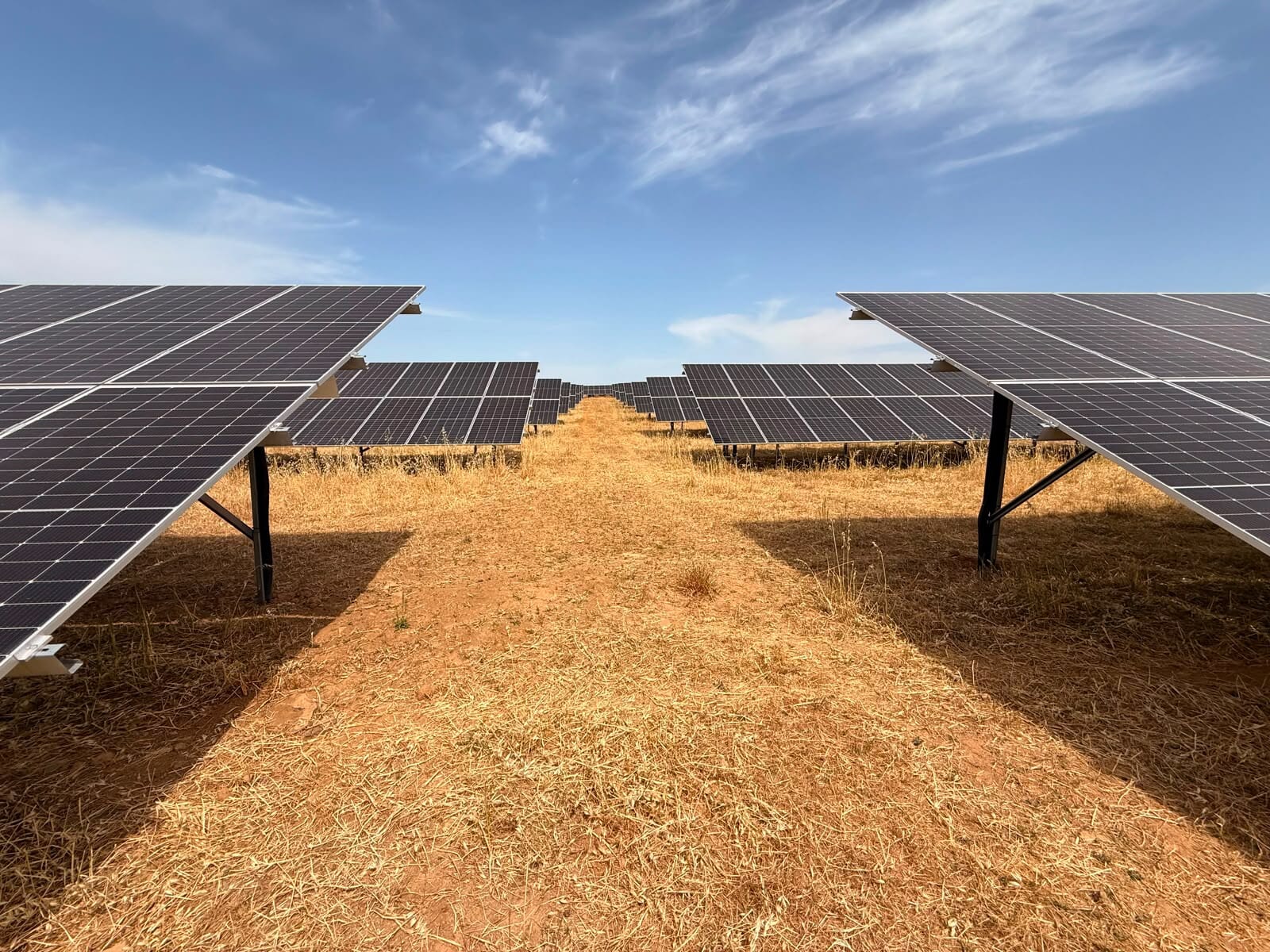
Spain-3MW

What are you looking to invest in or acquire in 2027?

We are an active buyer of operating portfolios, and of platforms that are sub-scale on their own. Our focus is the UK, Germany and Benelux.

We want to see operating commercial and industrial portfolios with long-term PPAs, particularly in the UK and Benelux. We are interested in consented ground-mount projects near a large energy user that suit private wire. We want to work with developers and installers who have a pipeline and need a long-term funding partner. And we want to talk to multi-site customers, including in Germany, who are ready to move to onsite PPAs.

In return, we bring certainty of funding and execution, with more than £350m of debt facilities and Stonepeak’s equity behind us.

What does Stonepeak’s investment change for customers and partners?

It completes the capital structure. We had the debt capacity, and Stonepeak’s direct investment adds equity at scale to match it.

In practice, that means something different for each group we work with. For customers, we can commit to whole programmes across many sites and countries, not one site at a time. For developer and installer partners, it means certainty of funding and faster decisions. For sellers of portfolios, we are a credible buyer with certainty of execution.

What doesn’t change is the discipline. We apply the same investment criteria, and we stay in our lane: solar and batteries, behind or close to the meter.